
Why Rest Days Matter (And How to Use Them)
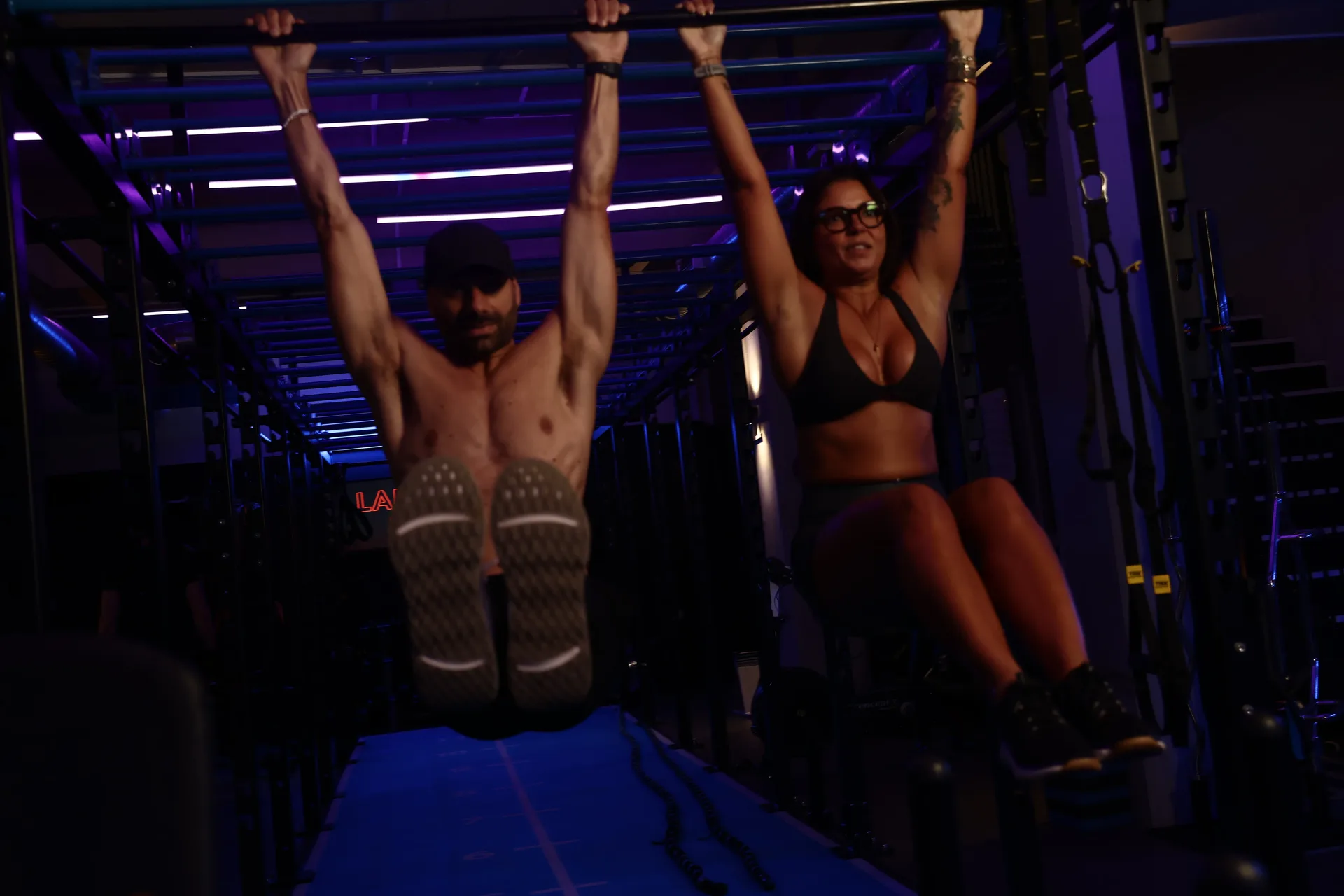
The fitness industry has a complicated relationship with rest. On one side is a culture of relentless output; on the other is a vague acknowledgement that rest matters. Neither is particularly useful. Rest needs vary, but planning easier or non-training days can make a programme more manageable.
Training provides a stimulus and recovery supports adaptation. The useful balance varies with the person and programme; training again does not automatically interrupt adaptation, but repeatedly adding load without enough recovery can increase fatigue and reduce performance.
True overtraining syndrome is uncommon and should not be used as a label for ordinary fatigue. Persistent fatigue, unexplained performance decline, recurrent pain or disrupted sleep deserves a pause and discussion with a GP or qualified clinician rather than a diagnosis from a coach.
How many rest days you need depends on training intensity, session volume, sleep quality, nutrition, and what the rest of your life looks like. A professional in a high-stress role who sleeps six hours a night may recover differently from someone who sleeps eight and carries lower ambient stress. There is no minimum number of rest days that suits everyone; build in easier days and adjust when recovery is poor.
Active recovery — low-intensity movement such as walking, easy swimming or gentle cycling — can provide movement and structure without adding much training stress. It may feel good, but it has not been shown to remove delayed-onset muscle soreness reliably.
Contrast therapy is optional. Heat and cold can change how soreness feels for a while, but claims about flushing waste, pumping oxygenated blood or noticeably compressing recovery are not established. Use conservative exposure and seek clinical advice if you have relevant health conditions.
Sleep supports health and training, but sleep needs vary. A regular routine and enough sleep for you are sensible priorities; persistent sleep problems merit discussion with a healthcare professional rather than a promise that a fixed number of hours will solve them.
The practical application is to choose a training frequency that fits your sleep, stress, nutrition and life commitments, then adjust when fatigue or performance changes. That does not guarantee progress or prevent injury, but it can make training easier to sustain.
At Labs Fitness in Shoreditch, our private recovery suite is available on rest days for standalone bookings — you do not need a gym membership to use the infrared sauna and cold plunge. Our Peak Plus membership includes full recovery suite access alongside unrestricted gym access. If you would like to find out more about how to structure your training and recovery, our coaches offer free consultations through the contact page.